Seven Books That Shaped My Engineering Judgment

This is not a collector shelf. These are the books I return to when legacy systems, abstraction boundaries, code quality, and team delivery need clearer judgment.

01

Reading Path

Core Judgment

Start with whether code is clear, safe to change, and maintainable by a team.
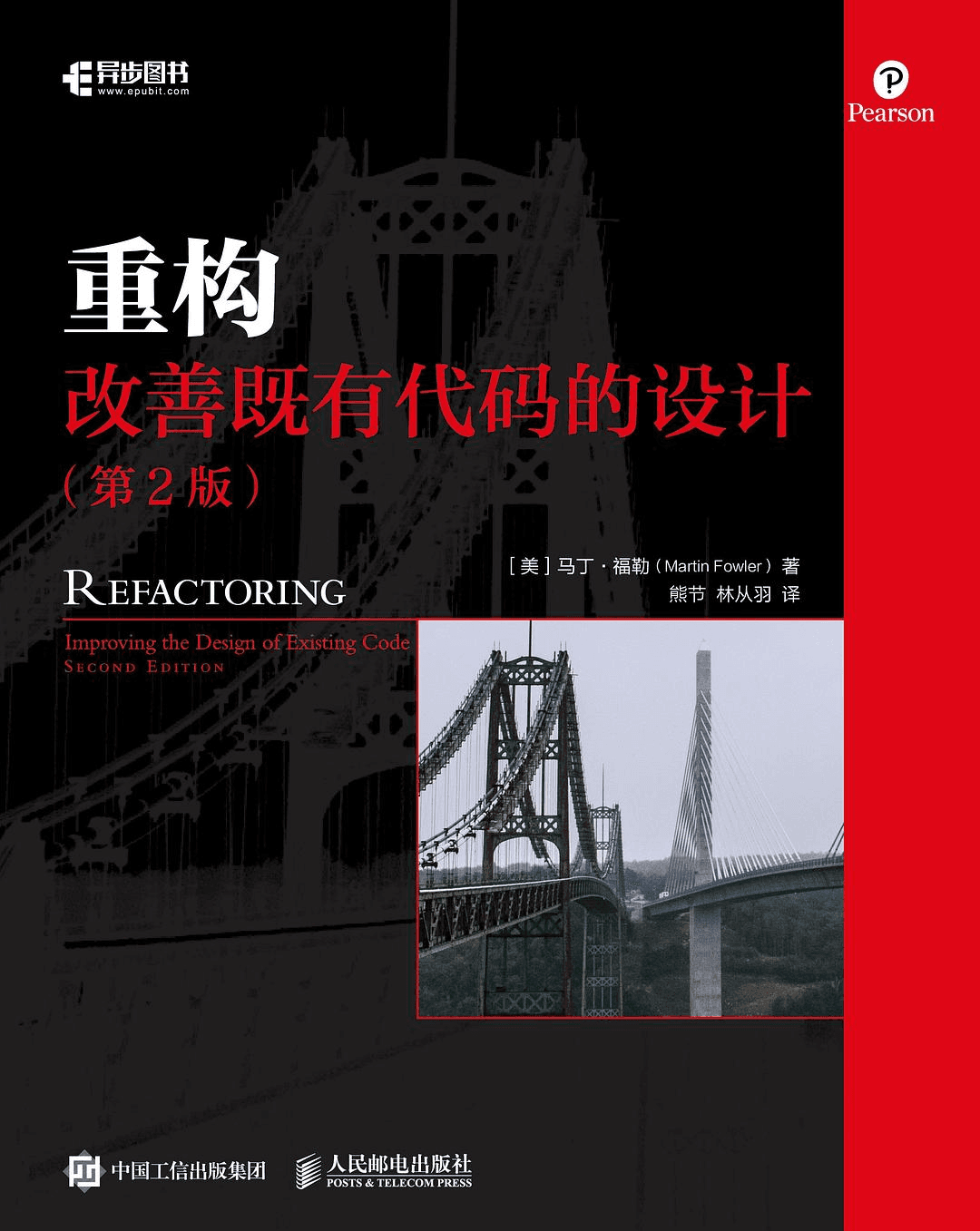
Refactoring

Code Quality and Refactoring

Refactoring

Martin Fowler

Judgment I took from it

Code smells are not aesthetic complaints; they are early signals of future change cost and risk.

Where it shows up at work

It turned changing code from an instinctive act into a process that can be sliced, protected, and rolled back.

Why it represents my working style

When I face legacy systems, I look for small testable seams before I consider a rewrite.

Clean Code

Code Quality and Refactoring

Clean Code

Robert C. Martin

Judgment I took from it

Code is read by people first and executed by machines second.

Where it shows up at work

It keeps reminding me that naming, function responsibility, and boundary expression shape collaboration speed.

Why it represents my working style

I treat readability as part of delivery quality, not a cleanup task after shipping.

The Pragmatic Programmer

Engineering Method and Delivery

The Pragmatic Programmer

Judgment I took from it

Maturity is not knowing more tricks; it is building shorter and more reliable feedback loops.

Where it shows up at work

It frames engineering growth around feedback, automation, tool awareness, and long-term ownership.

Why it represents my working style

I prefer turning repeated pain into process, tools, or team conventions.

02

Reading Path

Design and Boundaries

Extend local coding discipline into abstraction, modules, domain language, and system boundaries.

Head First Design Patterns

Architecture and Domain Modeling

Head First Design Patterns

Judgment I took from it

Patterns matter when they encapsulate change in the right place, not when they add labels.

Where it shows up at work

It is not the most formal patterns book, but it builds a strong intuition for where variation lives.

Why it represents my working style

When designing components, strategies, or extension points, I first ask which changes should be isolated.

Clean Architecture

Architecture and Domain Modeling

Clean Architecture

Robert C. Martin

Judgment I took from it

The point of architecture is to reduce the long-term cost of system evolution.

Where it shows up at work

It pulls architecture discussions back from framework choice to dependency direction and boundary discipline.

Why it represents my working style

I protect business rules and core models from being dragged around by UI, databases, or frameworks.

Implementing Domain-Driven Design

Architecture and Domain Modeling

Implementing Domain-Driven Design

Vaughn Vernon

Judgment I took from it

Complex business systems need discussion, naming, and modeling; CRUD alone is not enough.

Where it shows up at work

It made domain language, bounded contexts, and aggregate boundaries more concrete than table-first design.

Why it represents my working style

When teams start using the same words differently, I go back to language and boundary design.

03

Reading Path

Engineering Reality

Return to the reality of software delivery: complexity, communication cost, and team rhythm.

The Mythical Man-Month

Engineering Method and Delivery

The Mythical Man-Month

Frederick P. Brooks Jr.

Judgment I took from it

Adding people does not automatically add speed; complex systems need lower coordination cost first.

Where it shows up at work

It helped me accept that many software problems are not effort problems, but complexity and coordination problems.

Why it represents my working style

When estimating delivery, I look at the technical plan, communication path, and team rhythm together.